Exercise guide
Glute exercises for growth
You do not need dozens of exercises to train your glutes well. Use this guide to compare bridges, hinges, single-leg exercises, and accessories by what they do, the equipment they need, and how much they involve the quadriceps.
Build these exercises into a weekly plan
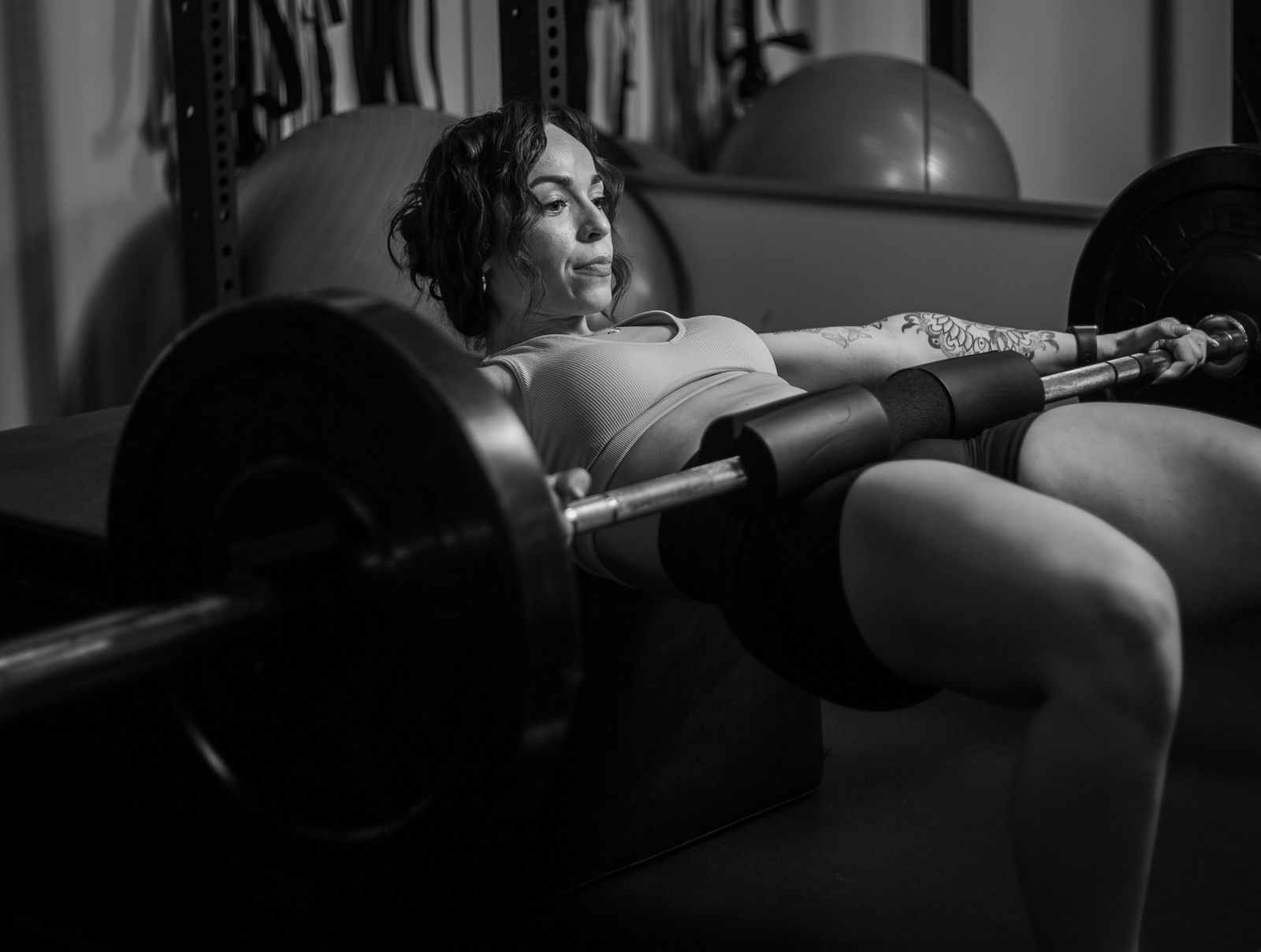
 Video demonstration
Hip thrust
A loadable hip-extension exercise performed with the upper back supported. It is useful when you want a major glute exercise without making a squat pattern the center of the session.
Low–moderate quad demand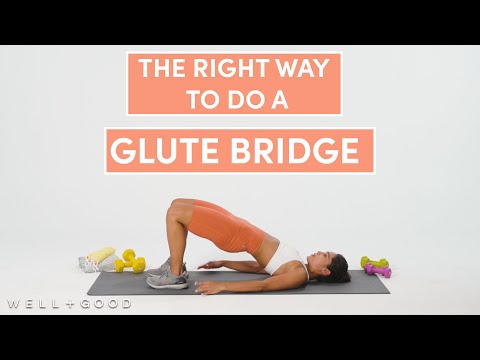 Video demonstration
Glute bridge
A floor-based bridge with a shorter range than the hip thrust. It is approachable at home and useful for learning hip extension or adding glute work with little equipment.
Low quad demand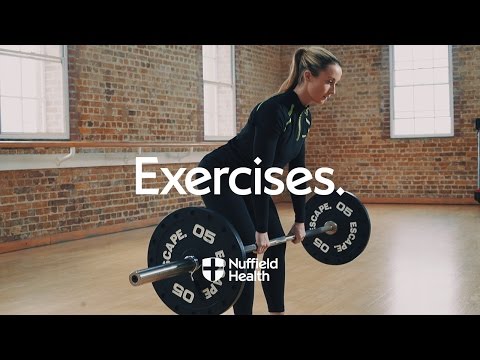 Video demonstration
Romanian deadlift
A loaded hip hinge that trains the glutes and hamstrings while the knees remain softly bent. It complements bridges by challenging hip extension in a more lengthened position.
Low quad demand Video demonstration
Cable kickback
A supported single-leg hip-extension accessory. It adds glute work without another squat pattern and works well after a heavier bridge or hinge.
Low quad demand Video demonstration
45-degree back extension
A supported hinge that can train the glutes, hamstrings, and spinal erectors. It is useful when balance or grip makes free-weight hinges difficult.
Low quad demand Video demonstration
Seated hip abduction
An accessory that trains hip abduction with minimal knee-extension demand. It can complement—not replace—loadable hip-extension exercises.
Low quad demand Video demonstration
Step-up
A single-leg exercise that trains both the glutes and thighs. Step height, forward lean, control, and load affect how demanding it feels, but it is never a quad-free movement.
Moderate quad demand Video demonstration
Bulgarian split squat
A demanding single-leg squat pattern that trains the glutes and thighs. A longer stance and controlled torso lean may change joint demands, but the quadriceps still work hard.
Moderate–high quad demandCommon questions
Choosing glute exercises
Next steps
Choose the guide that fits your goal
Put them into context